Florida School of Ju-Jitsu

Goshin Ju-Jitsu
The word Goshin means "mind over muscle" and Ju-Jitsu means "the gentle art". Goshin Ju-Jitsu emphasizes self-defense techniques where sound application of the technique eliminates the need of strength.
What Does A Ju-Jitsu Class Consist Of?
Stretching and conditioning are obviously an important aspect in addition to the actual techniques and are therefore done prior to each and every class. The techniques learned break down as approximately 1/3 blocks, kicks and punches; 1/3 throws and 1/3 defensive techniques. The techniques include, but are not limited to:
Falling/Rolling
Rolling from left or right side, front-fall, back-fall, side-fall, free-fall, etc.
If you've ever fallen, you've recognized that the ability to fall correctly and
safely can save you from serious injury. Because so many techniques involve
falling (e.g., sweeps, throws, takedowns), we practice this every class.
Defense from Grabs/Pushes
Wrist grabs (cross or same side), lapel graps (1-hand, 2-hand), shoulder,
arm locks, full-nelsons, etc.
Defense from Chokes
16 basic defenses plus variations that include: Front, side, rear, etc.
Defense from Bearhugs
Front, side, rear, and over-arms/under-arms where applicable.
Defense from Headlocks
Front, side, rear.
Defense from Hairpulls
Front, rear.
Blocks
Inside, outside, rising, lower, etc.
Hand Techniques
Punch (jab, cross, hook, uppercut), palm heel, forearm & elbow strikes.
Kicks
Front, side, roundhouse, knees, etc.
Throws
Front, rear, side from grabs, chokes, punches, lunges, shoulder, hip,
head, etc.
Sparring- For speed and agility
Ronduri or Grappling (Ground Work)
Defense against Weapons
Knife, gun, club, etc.- 16 Basic defenses plus variations
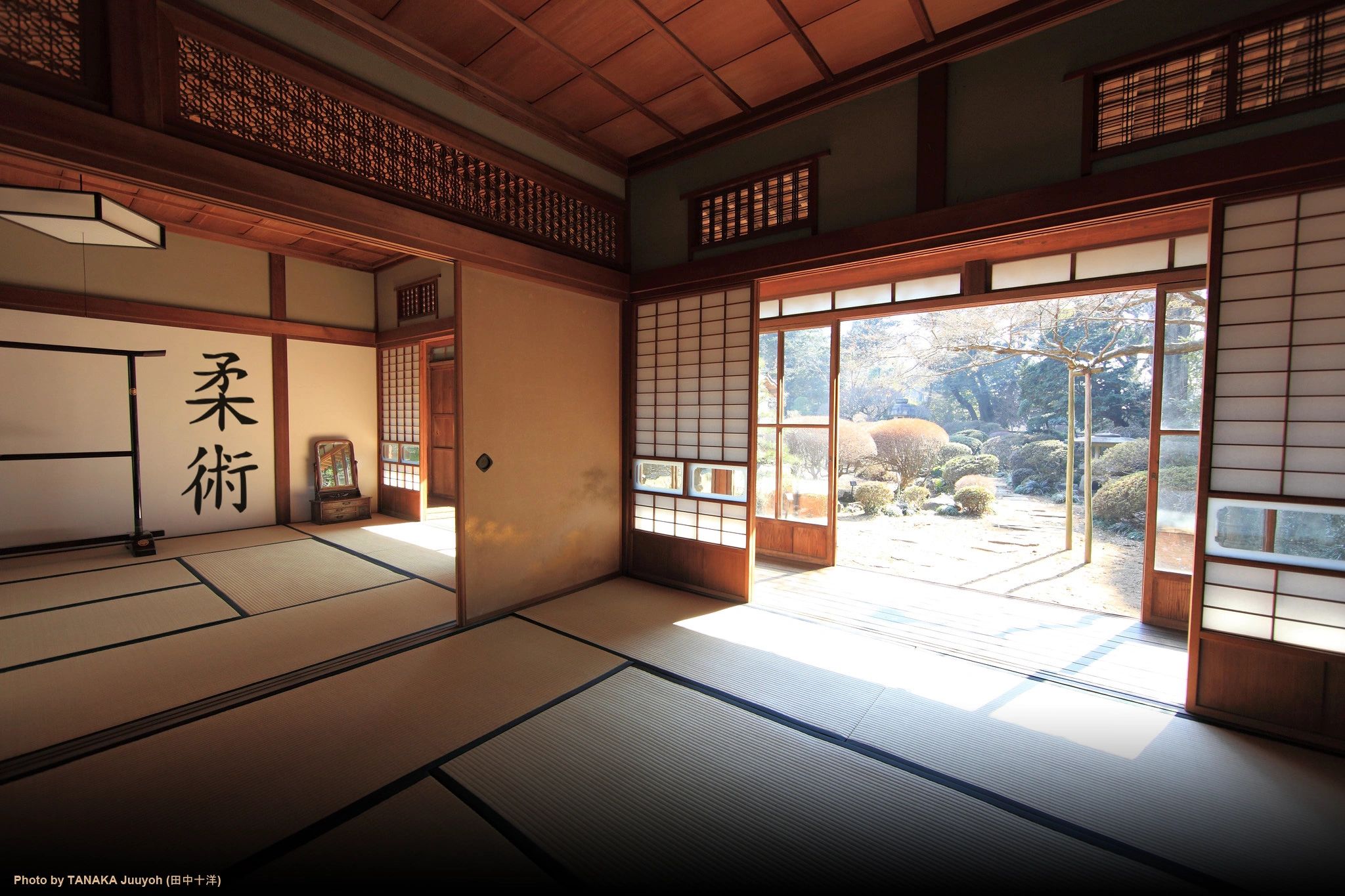
Techniques are learned one at a time and lead up to combinations. The techniques are typically practiced in pairs. The uke initiates action, like throwing a punch or being the aggressor, and the tori performs the technique. The uke is the one that is thrown or swept. We also regularly practice so students understand what techniques feel like against live, compliant, semi-resisting and sometimes resisting opponents. This gives a student a better understanding of what applying a technique may be like during an actual confrontation in an uncontrolled setting.